
CARE FIRST REHAB BLOG
CARE FIRST REHAB BLOG
Keep Up With Care First:
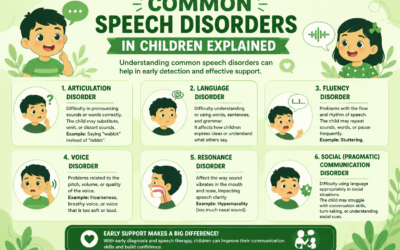
Common Speech Disorders in Children Explained
Speech disorders can affect a child’s ability to communicate clearly, but early identification and intervention can make a significant difference. Learn about the most common speech disorders in children, their signs, causes, and how speech therapy helps children build confidence and communication skills.

At what age should a Child Say Their First Words? A Parent’s Guide
Learn when children typically say their first words, key speech milestones, signs of delays, and how parents can support language development.
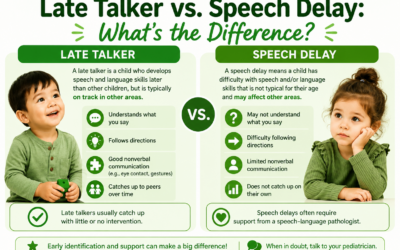
Late Talker vs. Speech Delay: What’s the Difference?
Is your child speaking later than expected? Understanding the difference between a late talker and a speech delay can help parents make informed decisions. Learn the key signs, developmental milestones, and when professional intervention may be beneficial.

Pediatric Care: Why and When Does a Child Need Medical Care?
Every parent wants their child to grow up healthy, active, and happy. From infancy through adolescence, children experience rapid physical, emotional, and developmental changes that require specialized medical attention. This is where pediatric care becomes essential....

Pediatric Speech Therapy: How It Helps Children Succeed
Communication shapes a child's future. Speech and language skills directly impact academic performance, social development, and self-confidence. When children struggle with speech clarity, language comprehension, or social interaction, a pediatric speech therapist can...
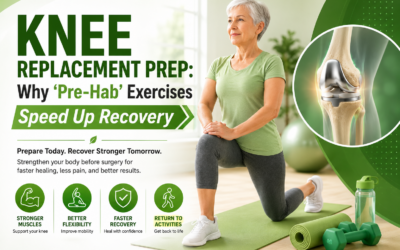
Knee Replacement Prep: Why ‘Pre-Hab’ Exercises Speed Up Recovery
Knee replacement surgery, also known as total knee arthroplasty (TKA), is a common procedure for individuals suffering from severe knee arthritis or injury. While this surgery can significantly improve mobility and reduce pain, the recovery process can be lengthy and...

Hearing Loss and Cognitive Decline: The Connection You Need to Know
As we age, our bodies undergo various changes, and while some may be expected, others can be quite concerning. One of the most significant, yet often overlooked, changes that can impact your quality of life is hearing loss. Although it’s commonly thought of as a...

Golf & Tennis Elbow Prevention Tips for Weekend Warriors
For many sports enthusiasts and weekend warriors, elbow pain can quickly turn a fun activity into a frustrating experience. Conditions like golf elbow and tennis elbow are among the most common overuse injuries caused by repetitive arm and wrist movements. Following...

Gardening Without Pain: Ergonomic Tools and Posture Tips
Gardening is one of the most relaxing and rewarding outdoor activities. It helps reduce stress, improves mental health, and keeps your body active. However, spending hours bending, kneeling, lifting, and digging can lead to discomfort, muscle strain, and long-term...