
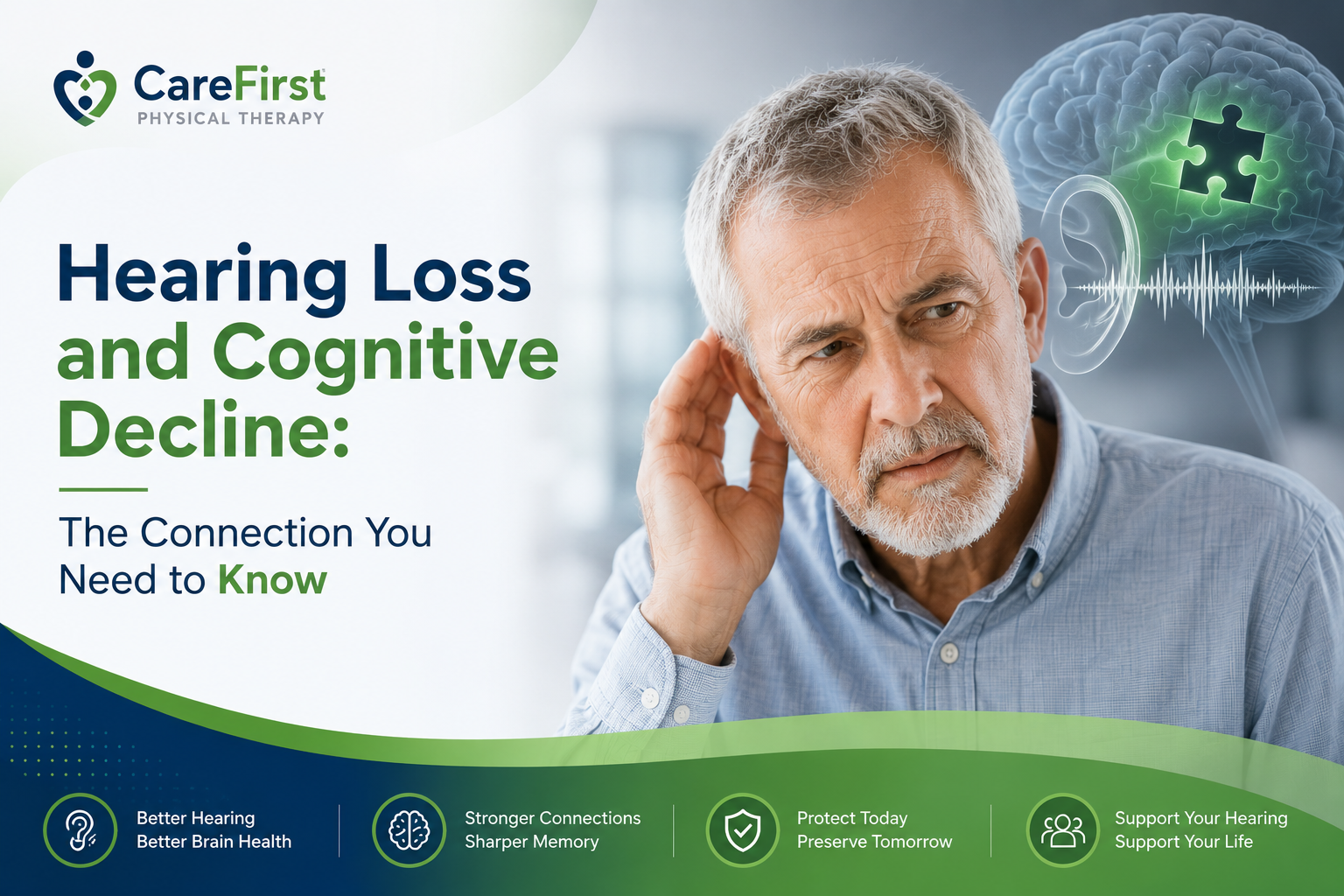
As we age, our bodies undergo various changes, and while some may be expected, others can be quite concerning. One of the most significant, yet often overlooked, changes that can impact your quality of life is hearing loss. Although it’s commonly thought of as a natural part of aging, research suggests that hearing loss may not only affect your ability to communicate but also be linked to more serious conditions, including cognitive decline and dementia.
In this blog, we will explore the connection between hearing loss and cognitive decline, explain how one can influence the other, and discuss steps you can take to protect your hearing and cognitive health as you age.
What is Hearing Loss?
Hearing loss is a condition that involves a partial or complete inability to hear. It can be caused by several factors, including:
- Age-related hearing loss (presbycusis): A gradual loss of hearing due to aging.
- Noise-induced hearing loss: Prolonged exposure to loud noises, such as music, machinery, or gunshots.
- Infections or injuries: Damage to the ear or auditory system.
- Genetic factors: Some people may be genetically predisposed to hearing loss.
Hearing loss is commonly categorized into three types:
- Conductive hearing loss: Caused by obstructions or damage to the outer or middle ear.
- Sensorineural hearing loss: Caused by damage to the inner ear or auditory nerve.
- Mixed hearing loss: A combination of both conductive and sensorineural loss.
While hearing loss is relatively common, particularly among older adults, it often goes undiagnosed or untreated, which can have more profound effects than simply making it harder to hear.
You Can Also Read : Golf & Tennis Elbow Prevention Tips for Weekend Warriors
The Connection Between Hearing Loss and Cognitive Decline
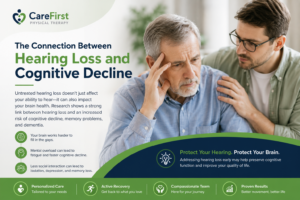
Recent studies have revealed a strong link between hearing loss and cognitive decline, especially in older adults. Research suggests that untreated hearing loss can contribute to an increased risk of cognitive impairment, which can lead to conditions like dementia and Alzheimer’s disease. But how exactly are these two conditions related?
1. Social Isolation and Mental Stimulation
When individuals experience hearing loss, they may have trouble communicating and understanding conversations, which can lead to social isolation. Social engagement and interaction are crucial for maintaining cognitive health, as they stimulate the brain and help preserve memory and cognitive functions. As a result, those with untreated hearing loss may become less active socially, leading to a lack of mental stimulation, which accelerates cognitive decline.
2. Increased Cognitive Load
Hearing loss forces the brain to work harder to process sounds. This increased cognitive load can divert brain resources away from other important functions like memory, problem-solving, and reasoning. Over time, this strain on cognitive resources may contribute to cognitive fatigue and mental decline.
3. Reduced Brain Plasticity
Brain plasticity is the brain’s ability to reorganize and form new connections as we learn and experience new things. When hearing loss is present, the brain may not receive sufficient auditory input, which can reduce the brain’s ability to adapt and process information effectively. This may contribute to cognitive decline over time.
4. Common Underlying Risk Factors
Hearing loss and cognitive decline share some common underlying risk factors, such as vascular health issues and poor cardiovascular health. Conditions like hypertension, diabetes, and high cholesterol can affect both hearing and cognitive functions, contributing to the deterioration of both hearing and brain health.
How Hearing Loss Affects Dementia Risk
Studies have shown that people with hearing loss are more likely to develop dementia compared to those with normal hearing. One study found that those with mild hearing loss were twice as likely to develop dementia, while those with severe hearing loss were five times more likely. The exact mechanism isn’t fully understood, but researchers believe that the added cognitive load of trying to hear and understand sounds could contribute to brain shrinkage, especially in areas related to memory and cognitive function.
You Can Also Read : Gardening Without Pain: Ergonomic Tools and Posture Tips
Preventing Hearing Loss and Cognitive Decline
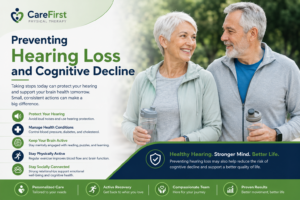
While hearing loss and cognitive decline may seem inevitable with age, there are steps you can take to prevent or mitigate their effects:
1. Early Detection of Hearing Loss
Regular hearing tests are crucial for early detection of hearing loss. The earlier hearing loss is detected, the more options there are for treatment and management, such as hearing aids or cochlear implants. Early intervention can help prevent the negative effects of untreated hearing loss on your cognitive health.
2. Use Hearing Aids
For those already experiencing hearing loss, using hearing aids or other amplification devices can help restore auditory input, reduce strain on the brain, and allow for continued social engagement. This can significantly reduce the risk of cognitive decline and promote mental well-being.
3. Stay Mentally and Physically Active
Engage in activities that promote brain health, such as reading, puzzles, learning new skills, and social interactions. Additionally, maintaining physical health through regular exercise and a balanced diet can improve cardiovascular health, which is essential for both hearing and cognitive function.
4. Protect Your Ears from Noise
Protect your ears from loud noises by using ear protection in noisy environments (e.g., concerts, construction sites) and avoiding prolonged exposure to high-volume sounds. This can help prevent noise-induced hearing loss and preserve your hearing ability over time.
5. Maintain Healthy Habits
Managing chronic conditions like high blood pressure, diabetes, and cholesterol can help preserve both hearing and cognitive health. Regular check-ups and a healthy lifestyle are key to maintaining overall well-being.
Conclusion: Prioritize Hearing Health for Cognitive Well-Being
The connection between hearing loss and cognitive decline is undeniable. Hearing loss can contribute to social isolation, increased cognitive load, and reduced brain plasticity, all of which can accelerate cognitive decline. By understanding this connection and taking proactive steps to protect your hearing, you can safeguard your cognitive health and overall quality of life.
Don’t wait for hearing loss or cognitive decline to impact your well-being. Schedule a hearing test, stay active, and protect your ears from noise exposure to ensure a healthier, sharper mind as you age.
You Can Also Read : Swallowing Safety (Dysphagia): Signs of Aspiration While Drinking
FAQs About Hearing Loss and Cognitive Decline
1.Can hearing loss cause dementia?
Yes, research suggests that untreated hearing loss can increase the risk of developing dementia, as it contributes to social isolation, cognitive strain, and brain atrophy.
2.Is hearing loss a sign of cognitive decline?
Not always, but there is a link between untreated hearing loss and cognitive decline. People with hearing loss are at a higher risk of developing dementia and other cognitive conditions.
3.How can hearing aids help with cognitive decline?
Hearing aids help by improving auditory input, reducing the cognitive load of trying to hear, and allowing for more social interaction, which can protect cognitive function.
4.At what age should I start getting hearing tests?
It’s recommended to begin regular hearing tests at age 50 or sooner if you experience any symptoms of hearing loss, such as difficulty understanding speech or needing to raise the volume on devices.
5.Can cognitive decline be reversed if hearing loss is treated?
While cognitive decline may not be fully reversed, treating hearing loss early can slow the progression of cognitive decline and improve quality of life by reducing cognitive strain and maintaining social connections.