
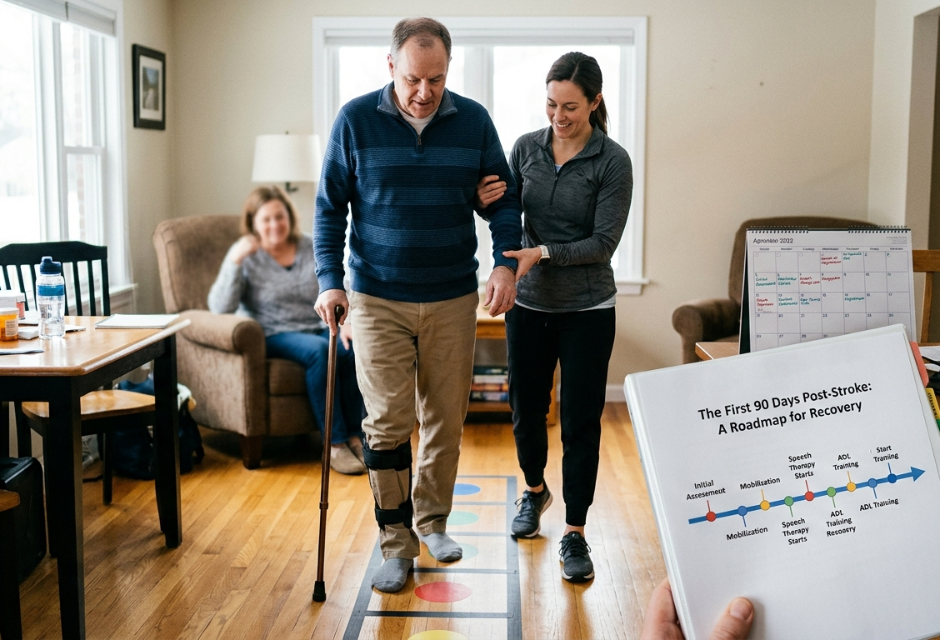
Recovering from a stroke is a life-changing journey that requires patience, consistency, and the right guidance. The first 90 days after a stroke are often referred to as the “golden period” of recovery, where the brain shows the highest ability to heal and relearn lost skills.
This blog provides a complete roadmap recovery plan to help patients and caregivers understand what to expect and how to maximize recovery outcomes during this crucial phase.
Why the First 90 Days Are Critical
The initial three months post-stroke are when the most significant improvements occur. During this time, the brain undergoes neuroplasticity, meaning it can reorganize and form new connections to restore lost functions.
Key reasons why this phase matters:
- Maximum brain healing potential
- Faster improvement in physical and cognitive abilities
- Higher chances of regaining independence
- Opportunity to prevent long-term disability
Experts emphasize that early and consistent rehabilitation is essential to achieving the best outcomes.
You Can Read also : Adaptive Eating Solutions: Weighted Utensils & Tools for Tremors (USA Guide)
A 90-Day Stroke Recovery Roadmap
Days 1–7: Acute Care & Stabilization
This is the emergency phase where immediate medical attention is provided.
Focus Areas:
- Stabilizing the patient’s condition
- Identifying the type of stroke
- Preventing complications
Rehabilitation may begin within 24 hours if the patient is stable, which helps kick-start recovery early.
Weeks 2–4: Early Rehabilitation
Once discharged from the hospital, structured rehabilitation begins.
Key Therapies:
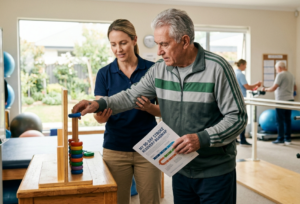
- Physical therapy (movement and strength)
- Occupational therapy (daily activities)
- Speech therapy (communication & swallowing)
Patients often receive therapy multiple times a day to regain basic functions like walking, eating, and speaking.
Month 2: Strength Building & Functional Recovery
This stage focuses on improving independence.
Goals:
- Regaining mobility and coordination
- Performing daily activities independently
- Improving speech and memory
Consistency is critical. Practicing daily tasks (like dressing or cooking) enhances recovery.
Month 3: Advanced Recovery & Adaptation
By this stage, patients often see noticeable improvements.
Focus Areas:
- Fine motor skills
- Balance and coordination
- Emotional and psychological recovery
Many patients experience spontaneous recovery, where lost abilities suddenly return as the brain adapts.
You Can Read Also : Freezing of Gait: Tips to Get Moving When Your Feet Feel Stuck
Key Components of a Successful Roadmap Recovery

1. Early Rehabilitation
Starting therapy as soon as possible significantly improves outcomes.
2. Consistency & Repetition
Daily practice strengthens neural pathways and accelerates healing.
3. Multidisciplinary Care
A team approach involving:
- Physiotherapists
- Neurologists
- Speech therapists
- Psychologists
4. Mental Health Support
Stroke recovery is not just physical. Emotional challenges like anxiety and depression are common and require proper care.
5. Lifestyle Modifications
Preventing a second stroke is equally important:
- Healthy diet
- Regular exercise
- Managing blood pressure and diabetes
Common Challenges During Recovery
- Muscle weakness or paralysis
- Difficulty speaking or understanding language
- Memory and cognitive issues
- Emotional changes like mood swings
Recovery is different for everyone and may take months or even years, but steady progress is always possible.
Tips to Maximize Recovery in the First 90 Days
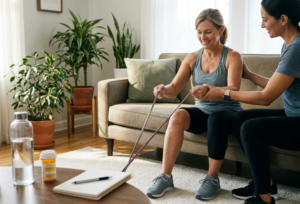
- Follow your therapy plan strictly
- Stay physically active within limits
- Practice daily living activities
- Maintain a positive mindset
- Seek professional rehabilitation support
Conclusion
The first 90 days after a stroke lay the foundation for long-term recovery. With the right roadmap recovery strategy, patients can regain independence, improve quality of life, and prevent future complications.
Recovery is not a straight path—but with early intervention, consistency, and expert care, meaningful progress is absolutely achievable.
You Can Read Also : Voice Projection: Why Parkinson’s Makes Your Voice Quiet and How to “Loud” It
FAQs
1. What is the “roadmap recovery” after a stroke?
A roadmap recovery is a structured plan that outlines rehabilitation steps, therapies, and goals during the first 90 days post-stroke to maximize recovery.
2. Why are the first 90 days so important after a stroke?
This period is critical because the brain has the highest ability to heal and adapt, leading to faster and better recovery outcomes.
3. Can stroke patients fully recover in 90 days?
Some patients see major improvements, but full recovery varies depending on stroke severity, treatment timing, and rehabilitation consistency.
4. What therapies are included in stroke recovery?
Common therapies include:
- Physical therapy
- Occupational therapy
- Speech therapy
5. How can I speed up stroke recovery?
You can improve recovery by:
- Starting rehabilitation early
- Staying consistent with therapy
- Maintaining a healthy lifestyle
- Following medical advice