
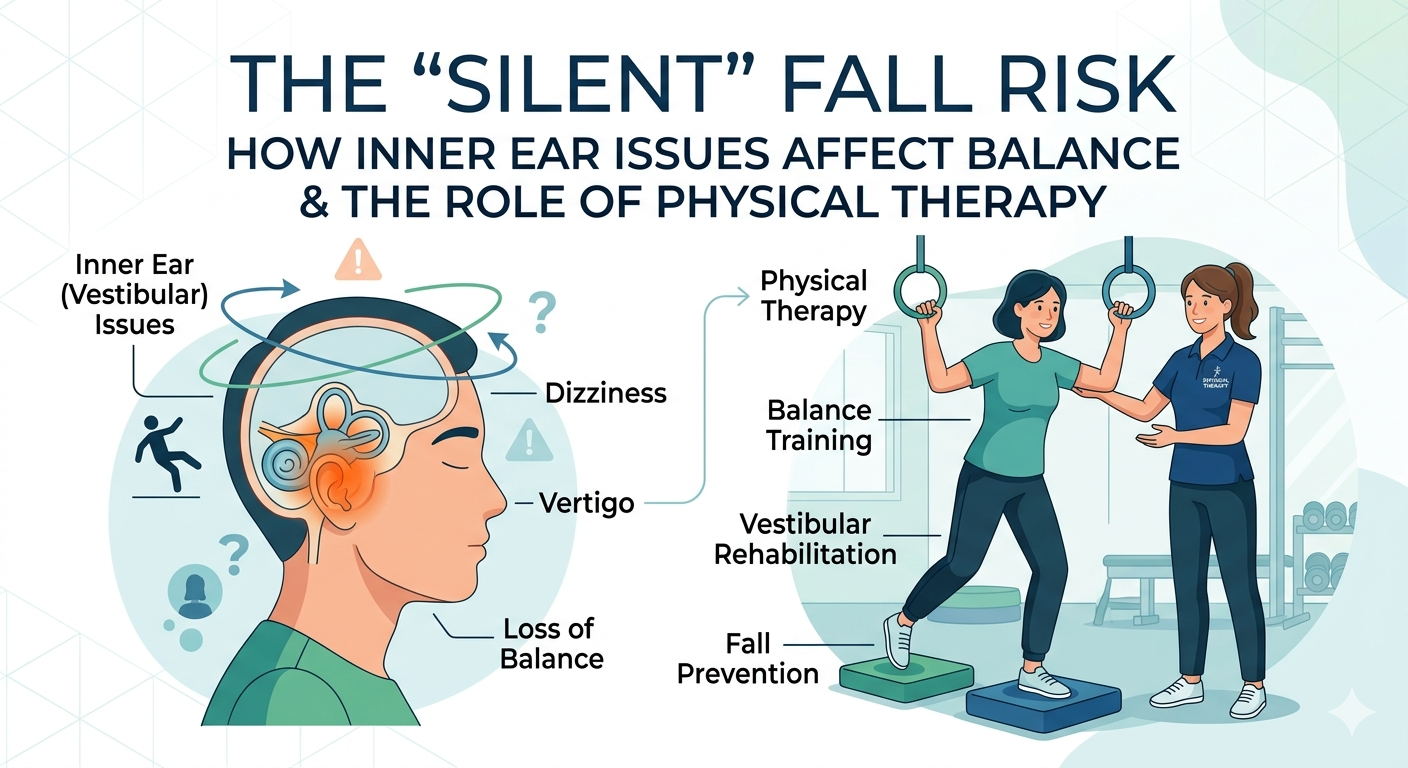
When considering the causes of falls, individuals often attribute them to factors such as weakened muscles, aging, or slippery surfaces. However, a less recognised contributor lies within the inner ear: the vestibular system. This intricate structure plays a vital role in maintaining balance, and when it doesn’t function properly, even basic movements can become disorienting.
This is where physical therapy becomes crucial—not just for recovery after a fall, but for preventing one in the first place.
What Is the Vestibular System in Physical Therapy?
The vestibular system, located within the inner ear, functions as the body’s internal GPS. It continuously sends signals to the brain about head position, movement, and spatial orientation.
In physical therapy, this system is a major focus when treating patients with balance disorders. Whether you are walking, turning your head, or standing still, the vestibular system works in the background to keep you stable.
When it’s functioning well, you don’t notice it—but when it’s not, your balance can be significantly affected.
How Vestibular Issues Increase Fall Risk (And How Physical Therapy Helps)
Vestibular problems often develop quietly, without obvious warning signs. Many people don’t even realize their inner ear is the cause.
Common symptoms include:
Sudden dizziness or vertigo (spinning sensation)
Feeling unsteady while walking
Blurred vision during movement
Drifting or veering to one side
Frequent loss of balance
These symptoms can make everyday activities feel unsafe. This is why physical therapy for balance becomes essential—it helps retrain the body and brain to restore stability.
You Can Read Also : Stuttering vs. Normal Disfluency: What Parents Need to Know About Speech Therapy
Common Causes of Vestibular Disorders Treated in Physical Therapy
-
Benign Paroxysmal Positional Vertigo (BPPV)
A common condition caused by displaced crystals in the inner ear. It leads to short bursts of vertigo, especially when changing head position.
Physical therapy techniques like repositioning maneuvers can effectively treat it.
-
Vestibular Neuritis or Labyrinthitis
Inflammation caused by infections can lead to severe dizziness and imbalance.
Vestibular physical therapy helps speed up recovery.
-
Age-Related Decline
As we age, balance naturally weakens.
Regular physical therapy exercises can improve coordination and reduce fall risk.
-
Meniere’s Disease
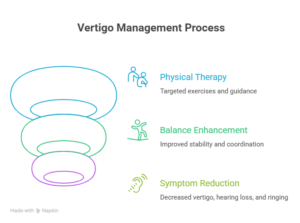
Fluid buildup in the inner ear causes vertigo, hearing loss, and ringing in the ears.
Physical therapy can help manage symptoms and improve stability.
Why Vestibular Problems Often Go Unnoticed
Unlike visible injuries, vestibular disorders don’t show clear signs like swelling or pain. Many people assume they’re just tired or stressed.
Over time, they may start to:
Avoid sudden movements
Depend on support while standing
While these adjustments may help temporarily, they don’t solve the root problem. Physical therapy addresses the underlying issue rather than just managing symptoms.
Impact on Daily Life Without Physical Therapy
Untreated vestibular issues can:
- Reduce confidence in movement
- Limit social and outdoor activities
- Decrease physical activity
- Increase muscle weakness
This creates a cycle that increases fall risk. Physical therapy for balance and mobility helps break this cycle by restoring strength and stability.
When Should You Consider Physical Therapy?
You should seek help if you experience:
- Frequent dizziness or vertigo
- Trouble maintaining balance
- Sudden unsteadiness
- Falls or near-falls
Early intervention with physical therapy can prevent serious injuries and improve quality of life.
How Physical Therapy Can Help Vestibular Disorders
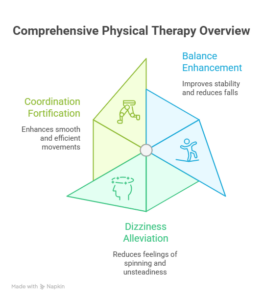
1. Vestibular Rehabilitation Therapy (VRT)
A specialized type of physical therapy that uses targeted exercises to:
- Improve balance
- Reduce dizziness
- Strengthen coordination
2. Repositioning Maneuvers
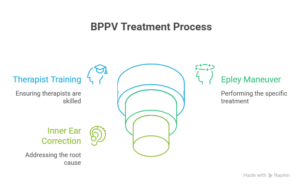
For BPPV, trained therapists perform techniques like the Epley maneuver to correct inner ear issues.
3. Lifestyle Guidance from Physical Therapists
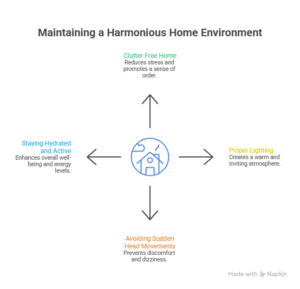
- Keep your home clutter-free
- Ensure proper lighting
- Avoid sudden head movements
- Stay hydrated and active
4. Medical Collaboration
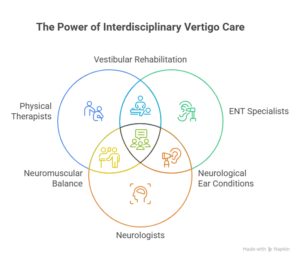
Physical therapists often work alongside ENT specialists and neurologists for complete care.
You Can Read Also : Don’t Break Your Resolutions (Or Your Back): How to Start a Gym Routine Safely After 50
Final Thoughts: Don’t Ignore the Signs—Physical Therapy Can Help
Balance is something most people take for granted—until it’s lost. Vestibular issues are a hidden but significant cause of falls.
The good news is that physical therapy offers effective, non-invasive solutions to restore balance, improve confidence, and prevent injuries.
If something feels off, don’t ignore it. Early action can make a big difference.
Frequently Asked Questions (FAQs)
1. What is the vestibular system in simple terms?
The vestibular system is part of the inner ear that helps control balance and movement. In physical therapy, it’s a key focus for treating dizziness and instability.
2. What are the early signs of vestibular problems?
Mild dizziness, imbalance, or difficulty focusing during movement are common early signs. Physical therapy can help address these symptoms early.
3. Can inner ear problems really cause falls?
Yes. Since the inner ear controls balance, issues can lead to instability. Physical therapy for balance can significantly reduce fall risk.
4. Is vertigo the same as a vestibular disorder?
No. Vertigo is a symptom, while vestibular disorders are the underlying cause. Physical therapy helps treat both the symptoms and root issue.
5. Who is most at risk for vestibular issues?
Older adults are more prone, but anyone can be affected. Early physical therapy intervention helps manage symptoms and prevent complications.