

As parents, we often wonder how to help our children stay calm, focused, and emotionally balanced. Between school, homework, and playtime, it can feel like children’s energy is endless—and sometimes overwhelming. But the solution may already exist inside your home: helping with chores.
You might think of household tasks as just responsibility-building, but in the world of occupational therapy, these activities are called “heavy work”, and they have powerful benefits for a child’s nervous system. Heavy work includes pushing, pulling, lifting, or carrying objects. These movements give muscles and joints strong sensory input, which helps organize and calm the nervous system.
At Care First Rehab, occupational therapists often guide families on how to incorporate heavy work into daily routines, turning everyday chores into meaningful developmental opportunities.
You Can Read Aslo : Stuttering vs. Normal Disfluency: What Parents Need to Know About Speech Therapy
What is Heavy Work in Occupational Therapy?
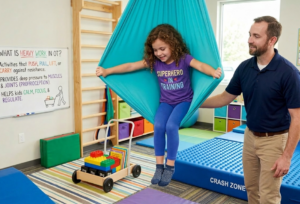
In occupational therapy, heavy work refers to physical activities that provide proprioceptive input—the deep pressure and feedback your body gets from muscles and joints during movement. This input helps children understand where their bodies are in space, improves coordination, and provides a natural calming effect for the nervous system.
Some common heavy work activities include:
- Carrying grocery bags
- Pushing a laundry basket
- Sweeping or vacuuming
- Helping move furniture
- Gardening or digging
- Climbing or jumping
Children who engage in heavy work not only strengthen their muscles but also experience improvements in focus, emotional regulation, and self-confidence. For children with sensory processing challenges, ADHD, or developmental delays, these activities are often included as part of an occupational therapy program.
Why Household Chores Help Calm the Nervous System
When children participate in chores, they aren’t just learning responsibility—they’re receiving essential sensory input that helps their brain and body work better. Here’s how:
1. Provides Deep Sensory Input
Heavy work stimulates muscles and joints, sending calming signals to the brain. This helps children feel grounded and more in control of their body’s movements.
2. Improves Focus and Attention
Children often show better concentration after performing heavy work activities, making chores a natural prelude to homework or school tasks.
3. Supports Emotional Regulation
Engaging in purposeful movement helps reduce anxiety, restlessness, and hyperactivity by giving the nervous system the input it needs to feel balanced.
4. Builds Confidence and Responsibility
Children feel capable when they complete chores, which promotes independence and pride in their contributions.
5. Strengthens Physical Development
Heavy work activities improve coordination, gross motor skills, and overall physical strength.
By incorporating these activities into a child’s routine, parents are essentially adding therapeutic value to everyday tasks. That’s why occupational therapy specialists at Care First Rehab often recommend chore-based heavy work for children.
You Can Read Also : Developmental Red Flags: When to Worry About Walking and Crawling | physical thearphy
Chore Charts by Age (Heavy Work Activities at Home)

To make chores effective and safe, it’s important to assign age-appropriate tasks. Creating chore charts by age ensures children gain benefits from heavy work while feeling successful and motivated.
Ages 2–4: Little Helpers
Toddlers love to imitate adults, which makes this age perfect for introducing chores. At this stage, activities should be fun, simple, and safe:
- Carrying toys to a basket
- Pushing a toy vacuum or small wagon
- Picking up scattered items
- Carrying light laundry pieces
- Watering plants with a small watering can
Even these small tasks provide occupational therapy benefits. They improve coordination, motor planning, and sensory awareness while helping toddlers feel included in family routines.
Ages 5–7: Learning Responsibility
Children in early elementary years can handle more structured chores while still benefiting from heavy work:
- Pushing a laundry basket
- Setting the table
- Sweeping small areas
- Carrying school backpacks or light groceries
- Organizing toys or books
These activities give children proprioceptive input that helps regulate the nervous system and improves attention for school tasks.
Ages 8–10: Growing Strength and Skills
By middle childhood, children are ready for chores that require more effort and coordination:
- Vacuuming rooms
- Taking out the trash
- Carrying groceries
- Gardening or digging soil
- Moving chairs or organizing furniture
Occupational therapists use similar activities in clinic-based programs to support focus, emotional regulation, and motor skills. Incorporating these chores at home allows children to practice skills in a meaningful context.
Ages 11 and Above: Real Responsibility
Pre-teens and teenagers benefit from heavier chores that combine physical effort with independence:
- Mowing the lawn
- Washing the car
- Carrying full laundry baskets
- Deep cleaning rooms
- Helping organize storage spaces
These tasks provide both therapeutic input and important life skills, helping teenagers develop self-reliance and confidence.
How Occupational Therapy Uses Chores for Regulation
Professional therapists often show families how to turn simple tasks into therapeutic routines.
An occupational therapy plan might include:
- Morning heavy work to prepare for school
- Afternoon chores to release excess energy
- Evening tasks that promote calmness before bedtime
At Care First Rehab, therapists create personalized programs that combine clinical therapy with practical home strategies. These approaches are research-backed and focus on improving both sensory regulation and everyday functioning.
You Can Read Also : Cardiac Rehab: Safe Exercises to Strengthen Your Heart After Surgery
Why Choose Care First Rehab
Choosing the right therapy center can make a big difference for your child’s development. Care First Rehab provides a comprehensive approach to pediatric therapy.
Experienced Therapy Team
Care First Rehab has highly trained specialists in occupational therapy who understand sensory, developmental, and emotional needs of children.
Personalized Therapy Programs
Each child receives a customized occupational therapy plan designed for their abilities and goals.
Family-Centered Approach
Parents are guided on how to use therapy strategies at home, turning daily routines like chores into meaningful interventions.
Evidence-Based Techniques
Programs include research-supported methods such as heavy work, sensory integration, and movement-based activities.
Holistic Development Focus
The clinic helps children improve motor skills, sensory processing, emotional regulation, and independence.
Conclusion
Chores aren’t just about keeping a tidy house—they are a powerful tool to help children thrive. Heavy work activities such as carrying, pushing, and lifting provide the sensory input that regulates the nervous system.
By creating age-appropriate chore charts, parents can help children develop responsibility, confidence, and independence while supporting emotional and physical growth. When paired with guidance from occupational therapy specialists at Care First Rehab, even simple daily tasks become meaningful opportunities for development.
Helping around the house might seem ordinary—but for a child’s nervous system, it can be extraordinary.
FAQs
1. What is heavy work in occupational therapy?
Heavy work refers to activities that involve pushing, pulling, lifting, or carrying objects. These movements provide sensory input that helps calm and organize the nervous system.
2. How do chores help children stay calm?
Chores that involve physical effort stimulate muscles and joints, sending calming signals to the brain. This helps improve focus and emotional regulation.
3. Can heavy work activities help children with ADHD or sensory issues?
Yes. Many occupational therapy programs use heavy work activities to support children with attention, coordination, and sensory processing challenges.
4. How often should children do heavy work activities?
Short sessions of heavy work multiple times a day—especially before homework or focused tasks—are most effective.
5. When should parents consider occupational therapy for their child?
If a child struggles with attention, coordination, emotional regulation, or sensory processing, a consultation with an occupational therapy specialist at Care First Rehab can help create effective strategies.