

January 1st rolls around, and the gyms are packed. The energy is high, the playlists are pumping, and everyone is ready to transform their lives.
But fast forward to February, and the crowd has thinned.
For many—especially those of us over 50—it isn’t a lack of willpower. It’s injury.
Starting a fitness journey after 50 is one of the best investments you can make for your future. But the “no pain, no gain” mentality of your 20s simply doesn’t apply anymore. Your body is different now — and your strategy needs to be, too. This is where physical therapy plays a powerful role in helping you move safely, prevent injury, and build long-term strength.
Here’s how to create a routine that lasts longer than your New Year’s champagne — with guidance inspired by physical therapy principles.
You Can Read Also : Is What You Believe About Physical Therapy Actually True?
1. The “Pre-Game” Check-In

Before you even look at a dumbbell, you need to assess the machinery — just like a professional would in a physical therapy evaluation.
Get Medical Clearance
This is non-negotiable. A quick check-up can rule out silent issues like high blood pressure, joint degeneration, or heart irregularities that intense exercise might aggravate. Preventive care and physical therapy assessments can identify limitations before they turn into injuries.
Invest in a Session with a Pro
If you’ve been out of the game for a while, hiring a trainer — or better yet, consulting a physical therapy specialist — even for a few sessions can be invaluable. They can correct your form and prevent common mistakes that strain the lower back, knees, or shoulders.
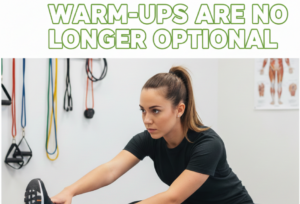
2. Warm-Ups Are No Longer Optional
In your 20s, you could walk into the gym and immediately bench press. Do that now, and you might tear a rotator cuff.
As we age, connective tissues lose elasticity. Physical therapy research consistently shows that proper warm-ups reduce injury risk and improve joint mobility.
The Golden Rule:
Spend 10–15 minutes preparing to work out.
Do dynamic stretching:
- Arm circles
- Leg swings
- Torso twists
- Hip rotations
Avoid static stretching before lifting.
Save long holds for after your workout when muscles are warm.
3. Focus on Functional Fitness
You aren’t training to look like Arnold Schwarzenegger in 1975. You are training to carry groceries, pick up your grandkids, and put luggage in the overhead bin without throwing your back out.
Functional fitness is a cornerstone of modern physical therapy because it strengthens movements you use daily.
Structure your workouts around these primary movements:
- Squatting: Standing up from a chair
- Hinging: Picking something up (deadlifts)
- Pushing: Opening heavy doors
- Pulling: Resistance rows
- Carrying: Farmer’s carries for grip and core
This approach strengthens muscles while protecting joints — exactly what physical therapy aims to achieve.
You Can Read Also : Pediatric Occupational Therapy: A Parent’s Guide to Supporting Your Child’s Development
4. Intensity vs. Consistency
In January, we often get excited and try to do too much, too fast. But after 50, your body needs patience — not pressure. Slow and steady progress is what truly lasts.
If you go from zero to working out six days a week, you will burn out or break down. Overuse injuries are one of the most common reasons people seek physical therapy after starting a new gym routine.
Pro Tip:
Start with 2–3 days per week.
It’s better to have a moderate workout you sustain for 10 years than a “perfect” workout you only sustain for 3 weeks.
5. Listen to Your Body: Good Pain vs. Bad Pain
Learning the difference is critical for longevity and injury prevention.
Good Pain:
- Dull muscle ache
- Burning during final reps
- General stiffness the next day
Bad Pain:
- Sharp joint pain
- Shooting sensations
- A “pop” or electric shock feeling
If you experience bad pain, stop immediately. Early intervention through physical therapy can prevent small problems from becoming long-term injuries.
6. Recovery Is When the Magic Happens
Here’s the secret: You don’t build muscle in the gym. You break muscle down in the gym; you rebuild it during rest.
After 50, recovery takes longer. Physical therapy professionals emphasize recovery just as much as exercise.
Prioritize:
- Adequate protein intake
- 7–8 hours of quality sleep
- Active recovery like walking
- Gentle mobility work
Recovery is not optional — it’s strategic.
You Can Read Also : More Than Milestones: 5 Ways to Practice Gratitude in Your Therapy Journey
Why Choose Us – Care First Physical Therapy
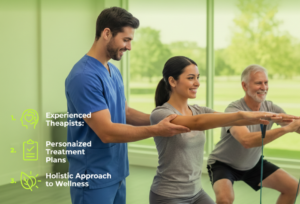
When it comes to starting safely after 50, expert guidance makes all the difference.
At Care First Physical Therapy, we focus on:
✔Personalized physical therapy plans made just for you and your body’s needs
✔ Injury prevention and movement screening
✔ One-on-one attention from licensed professionals
✔ Long-term mobility and independence
✔ Evidence-based treatment plans
Whether you’re beginning a gym routine or managing chronic pain, our physical therapy team helps you build strength safely and confidently. Learn more at: https://carefirstpt.com/
Conclusion
Aging is inevitable — but decline is optional.
By applying smart strategies and incorporating physical therapy principles into your fitness journey, you can protect your joints, improve mobility, and build strength that lasts. The key is not intensity — it’s consistency, form, and recovery.
Start slow. Stay safe. Train smart.
This can be the year your resolution finally sticks — not because you pushed harder, but because you moved wiser.
FAQs
1. Should I consider physical therapy before joining a gym after 50?
If you have past injuries, joint pain, or mobility issues, a physical therapy assessment can prevent setbacks and create a safe starting plan.
2. How often should someone over 50 work out?
Begin with 2–3 sessions per week and allow proper recovery between workouts.
3. Can physical therapy help prevent gym injuries?
Yes. Physical therapy focuses on correcting imbalances, improving mobility, and strengthening weak areas to reduce injury risk.
4. Is soreness normal after starting a routine?
Mild muscle soreness is normal. Sharp or joint pain is not and may require evaluation.
5. How long does it take to see results?
With consistent training and proper recovery, most people notice improvements within 4–6 weeks.