

Pain, stiffness, weakness, or difficulty moving can sometimes improve with rest. But when these symptoms continue or start affecting your daily life, it may be time to seek professional help.
An orthopedic physical therapist specializes in evaluating and treating musculoskeletal problems involving muscles, joints, bones, tendons, ligaments, and movement.
According to the CDC, about 53.2 million U.S. adults have doctor-diagnosed arthritis, showing how common musculoskeletal and joint-related problems are in the United States. Physical therapy can be an important part of rehabilitation for many orthopedic conditions.
But how do you know when you should see a physical therapist?

Here are 10 warning signs to watch for.
1. Pain That Doesn’t Go Away

Occasional soreness after exercise may be normal. However, persistent pain that continues for days or weeks may need professional evaluation.
An orthopedic physical therapist can assess your movement and identify factors that may be contributing to your symptoms.
Read More: 5 Common Orthopedic Injuries That Can Benefit From Physical Therapy
2. Pain Is Affecting Your Daily Activities

If pain makes it difficult to:
- Walk
- Climb stairs
- Sleep
- Work
- Exercise
- Lift objects
- Get dressed
it may be time to consider physical therapy.
The goal isn’t simply to reduce pain but to help restore your ability to perform everyday activities.
3. You Have Limited Range of Motion
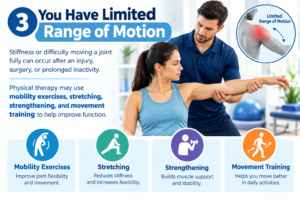
Stiffness or difficulty moving a joint fully can occur after an injury, surgery, or prolonged inactivity.
Physical therapy may use mobility exercises, stretching, strengthening, and movement training to help improve function.
4. You’re Experiencing Muscle Weakness
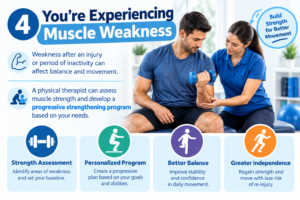
Weakness after an injury or period of inactivity can affect balance and movement.
A physical therapist can assess muscle strength and develop a progressive strengthening program based on your needs.
5. You Keep Getting the Same Injury

Repeated ankle sprains, muscle strains, or other injuries may indicate underlying weakness, mobility limitations, or movement problems.
Physical therapy can focus on strength, balance, coordination, and movement mechanics to help reduce the risk of recurring problems.
6. You Have Difficulty With Balance
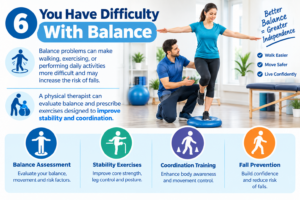
Balance problems can make walking, exercising, or performing daily activities more difficult and may increase the risk of falls.
A physical therapist can evaluate balance and prescribe exercises designed to improve stability and coordination.
7. You’re Recovering From Orthopedic Surgery
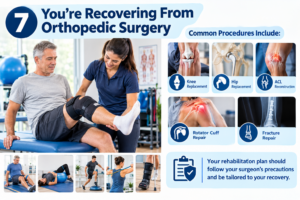
Physical therapy is commonly incorporated into rehabilitation following procedures such as:
- Knee replacement
- Hip replacement
- ACL reconstruction
- Rotator cuff repair
- Fracture repair
Your rehabilitation plan should follow your surgeon’s precautions and be tailored to your recovery.
8. You’re Struggling to Return to Sports

Athletes may feel better before they are fully ready to return to sports.
An orthopedic physical therapist can work on strength, flexibility, balance, movement control, and sport-specific exercises to help prepare you for a safe return to activity.
9. You Have Ongoing Back, Knee, Shoulder, or Hip Pain
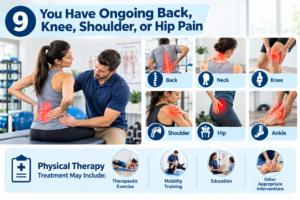
Persistent musculoskeletal pain involving the:
- Back
- Neck
- Knee
- Shoulder
- Hip
- Ankle
may benefit from a professional assessment.
Physical therapy treatment depends on the underlying cause and may include therapeutic exercise, mobility training, education, and other appropriate interventions.
Read More: How Physical Therapy Helps Restore Strength After a Long Period of Inactivity
10. Your Pain or Weakness Is Getting Worse

Symptoms that progressively worsen instead of improving should not be ignored.
A physical therapist can determine whether your symptoms are appropriate for physical therapy or whether you should be referred to another healthcare professional for additional evaluation.
How Can an Orthopedic Physical Therapist Help?
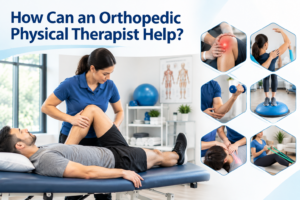
An orthopedic physical therapist typically begins with an evaluation of your:
- Pain and symptoms
- Range of motion
- Muscle strength
- Balance
- Mobility
- Movement patterns
- Functional limitations
Based on the evaluation, your therapist may develop an individualized plan that includes:
Therapeutic exercises: to improve strength and function.
Mobility exercises: to address stiffness and movement limitations.
Balance training: to improve stability and coordination.
Manual therapy: when clinically appropriate to address certain mobility or soft-tissue limitations.
Home exercises: to help you continue rehabilitation between appointments.
Do You Need a Doctor’s Referral for Physical Therapy?
In the United States, direct access to physical therapy varies by state. Many states allow patients to see a physical therapist without first obtaining a physician referral, although restrictions may apply.
If you’re unsure about the requirements in your state, contact the physical therapy clinic or check your state’s regulations.
When Is Physical Therapy Not Enough?
Physical therapy is appropriate for many musculoskeletal conditions, but some symptoms require urgent medical attention.
Seek immediate medical care for symptoms such as:
- Severe or sudden pain after major trauma
- Suspected fracture
- Sudden loss of movement
- New severe weakness or numbness
- Chest pain or difficulty breathing
- Loss of bladder or bowel control with back symptoms
These symptoms may require medical evaluation rather than routine physical therapy.
Read More: Home Safety Modifications for Seniors: Simple Ways to Prevent Falls and Injuries
Get Orthopedic Physical Therapy at Care First Rehab
You don’t always have to wait until pain becomes severe before seeking help.
If persistent pain, stiffness, weakness, or limited mobility is affecting your daily life, Care First Rehab can evaluate your movement and help develop an individualized physical therapy plan based on your condition and goals.
Contact Care First Rehab to learn more about orthopedic physical therapy and rehabilitation.
*This article is for general educational purposes and does not replace medical diagnosis or treatment. Seek appropriate medical care for severe or emergency symptoms.