
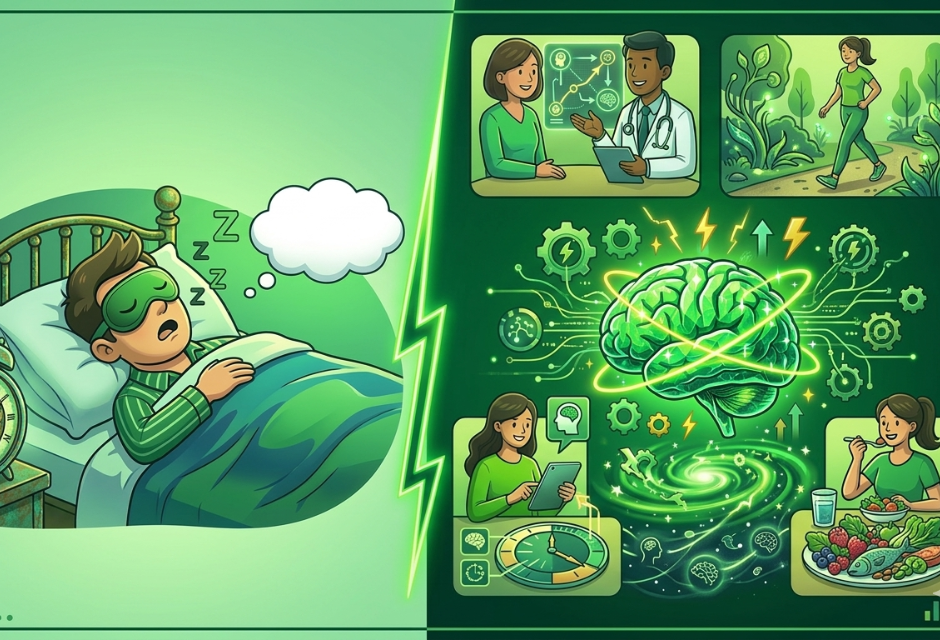
A concussion recovery in adults is often misunderstood. Many people believe that after a head injury, the best solution is simply to rest or “sleep it off.” However, medical experts say that concussion recovery in adults requires proper care, monitoring, and gradual rehabilitation. Ignoring symptoms or delaying treatment can lead to long-term health issues and slower healing.
In this blog, we’ll explain what a concussion is, why proper recovery matters, and the safest ways to manage concussion recovery in adults.
What Is a Concussion?

A concussion is a type of traumatic brain injury (TBI) caused by a sudden blow, bump, or jolt to the head. It can also happen when the body is hit so hard that the brain moves rapidly inside the skull.
Common causes include:
- Car accidents
- Sports injuries
- Falls or slips
- Workplace accidents
- Physical assaults
Even mild concussions can affect brain function, making concussion recovery in adults a process that should be taken seriously.
Why You Can’t Just “Sleep It Off”
One of the biggest myths about concussions is that sleeping will automatically fix the problem. While rest is important, concussion recovery in adults involves more than just sleep.
Here’s why:
1. Hidden Symptoms Can Worsen
Symptoms like headaches, dizziness, confusion, or nausea may worsen if ignored. Without proper monitoring, complications can develop.
2. Risk of Second Impact
If a person resumes normal activities too quickly, another injury could occur before the brain has healed, leading to more serious damage.
3. Delayed Symptoms
Some concussion symptoms appear hours or even days after the injury. Proper medical evaluation ensures nothing serious is overlooked.
Common Symptoms of Concussion in Adults
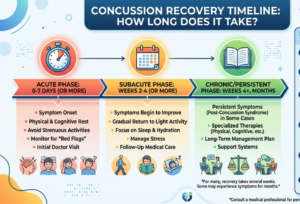
Recognizing symptoms is essential for proper concussion recovery in adults. Symptoms may include:
- Persistent headaches
- Dizziness or balance problems
- Sensitivity to light or noise
- Memory problems
- Difficulty concentrating
- Fatigue or sleep disturbances
- Mood changes such as irritability or anxiety
If these symptoms persist for more than a few days, medical attention is highly recommended.
Effective Steps for Concussion Recovery in Adults
1. Seek Medical Evaluation
After a head injury, a doctor should assess the severity of the concussion. Imaging tests or neurological exams may be required.
2. Physical and Cognitive Rest
In the first few days after a concussion, limiting physical activities and screen time helps the brain recover.
3. Gradual Return to Activity
Adults should slowly return to normal activities, including work and exercise, under medical guidance.
4. Stay Hydrated and Maintain Good Nutrition
Proper hydration and balanced meals support the body’s healing process during concussion recovery in adults.
5. Follow Rehabilitation Therapy
In some cases, physiotherapy, cognitive therapy, or vestibular therapy may be recommended to speed up recovery.
How Long Does Concussion Recovery Take?
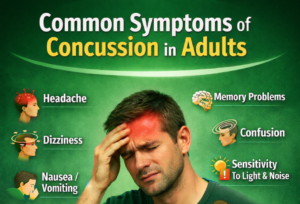
The timeline for concussion recovery in adults varies depending on the severity of the injury and the individual’s overall health.
Typical recovery times include:
- Mild concussion: 1–2 weeks
- Moderate concussion: 3–4 weeks
- Severe concussion: Several weeks to months
Early treatment and proper care significantly improve recovery outcomes.
When to Seek Immediate Medical Help
Certain symptoms require urgent medical attention, including:
- Repeated vomiting
- Severe or worsening headaches
- Loss of consciousness
- Slurred speech
- Seizures
- Weakness or numbness in limbs
These signs could mean the brain injury is more serious and needs immediate medical attention.
Conclusion
A concussion should never be taken lightly. While rest plays an important role, concussion recovery in adults involves careful monitoring, proper medical evaluation, and a structured recovery plan. Ignoring symptoms or assuming the injury will heal on its own can delay recovery and lead to long-term complications.
If you or someone you know experiences a head injury, seeking professional medical guidance is the safest way to ensure a full and healthy recovery.
FAQs
1. What is the best way to support concussion recovery in adults?
The best approach includes medical evaluation, adequate rest, gradual return to activities, and following a doctor’s recovery plan.
2. How long does concussion recovery in adults usually take?
Most adults recover within one to four weeks, but recovery time may vary depending on the severity of the injury.
3. Can adults work during concussion recovery?
In many cases, adults may return to work gradually once symptoms improve, but heavy physical or mental tasks should be avoided initially.
4. What activities should be avoided during concussion recovery in adults?
Activities such as intense exercise, heavy lifting, excessive screen time, and alcohol consumption should be limited until recovery progresses.
5. When should someone see a doctor for concussion recovery in adults?
A doctor should be consulted immediately after a head injury or if symptoms like severe headaches, confusion, or vomiting appear.